Meet the site
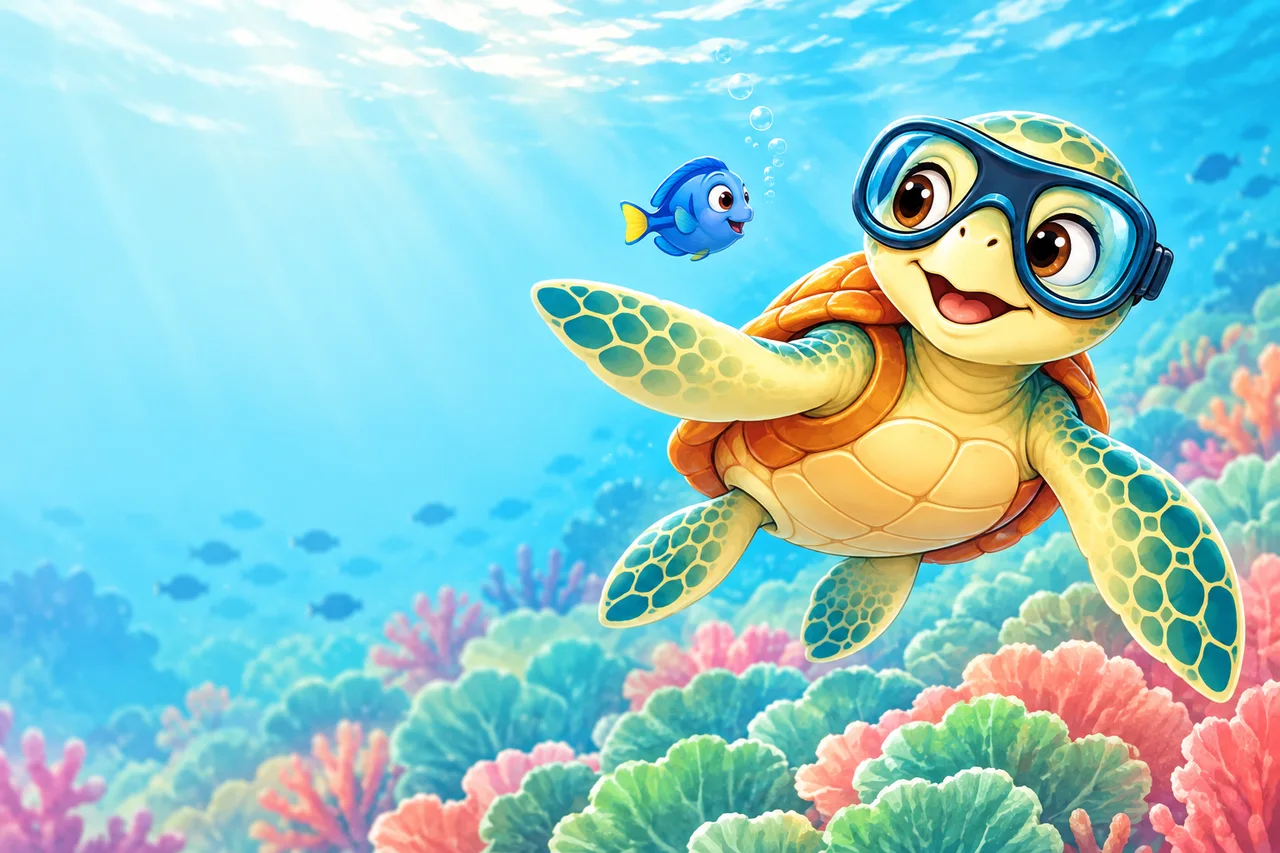
Cabbage Patch is the dive most people associate with Cocos, and it earns the reputation. The site is a hillside almost entirely covered by one type of coral – the green-and-gold, leafy cabbage coral (Turbinaria) – growing in overlapping whorls that together form a single colony-scape 6–20 m across. The official tourism listing gives the depth range as 6–27 m; most of the interest is between 6 and 20 m, where the coral is thickest and the light strongest. On a sunny day with the typical 25 m-plus visibility the whole slope glows gold, and the effect is best seen by hanging off the reef a few metres and looking back at it rather than nosing into individual plates. The coral is home to clouds of small fish: anthias and chromis hover in their thousands just above the whorls and duck into them as divers pass, and the scale of these schools is what makes the site photogenic. Around the sandy margins at the base of the slope, spotted garden eels rise out of the sand in colonies and retreat as you approach, and whitetip reef sharks are commonly found resting on the sand or under coral overhangs. The dive is gentle: a shallow, mostly sheltered reef on the north-western side of the atoll, close to West Island, with usually mild current. That makes it a common first dive of a Cocos trip and a good check-out site for divers who have not been underwater for a while, but experienced photographers return to it repeatedly for the wide-angle opportunities. Monoculture coral fields of this scale are unusual anywhere, and the reef's condition reflects the remoteness of Cocos – the islands have no run-off from agriculture or rivers, very little fishing pressure and very few divers, and the official tourism site describes the reefs as among the healthiest in Australia. Because the corals are brittle and dense, good buoyancy matters: fins kicked into the slope break plates that take years to regrow. Cabbage Patch sits close to Rose Wall and Ski Run, and the three sites are often combined across a morning's diving or used interchangeably depending on the tide. It suits every level of certified diver and is a standout snorkel on calm days over the shallowest part of the field.
What you might see
Cabbage coral (Turbinaria) fields, anthias, chromis, spotted garden eels, whitetip reef sharks, parrotfish, surgeonfish, Cocos pygmy angelfish (endemic to Cocos and Christmas Island), turtles
Location
Reef slope on the north-western rim of the southern atoll, south-east of Horsburgh Island near the Western Boat Passage, at the official GPS mark -12.0946, 96.8422.
Facilities nearby
Departs West Island; no shops or fuel on the outer islands – Cocos Dive supplies lunch on day trips.
Before you make plans
Conditions, access and operator schedules can change. This is a location guide, not a dive plan. Ask a local operator about current conditions and suitability for your training and experience.
Sources & further reading
cocoskeelingislands.com.audiveplanit.comunderwater.com.auwesternaustralia.comRecord updated 27 Sept 2026. Source claims are being reviewed.