THE EDITOR’S NOTEBOOK
A little more thought before the adventure.
Practical questions, worked examples and small habits that make a diving trip easier to organise. Original planning ideas, clearly separated from dive instruction.
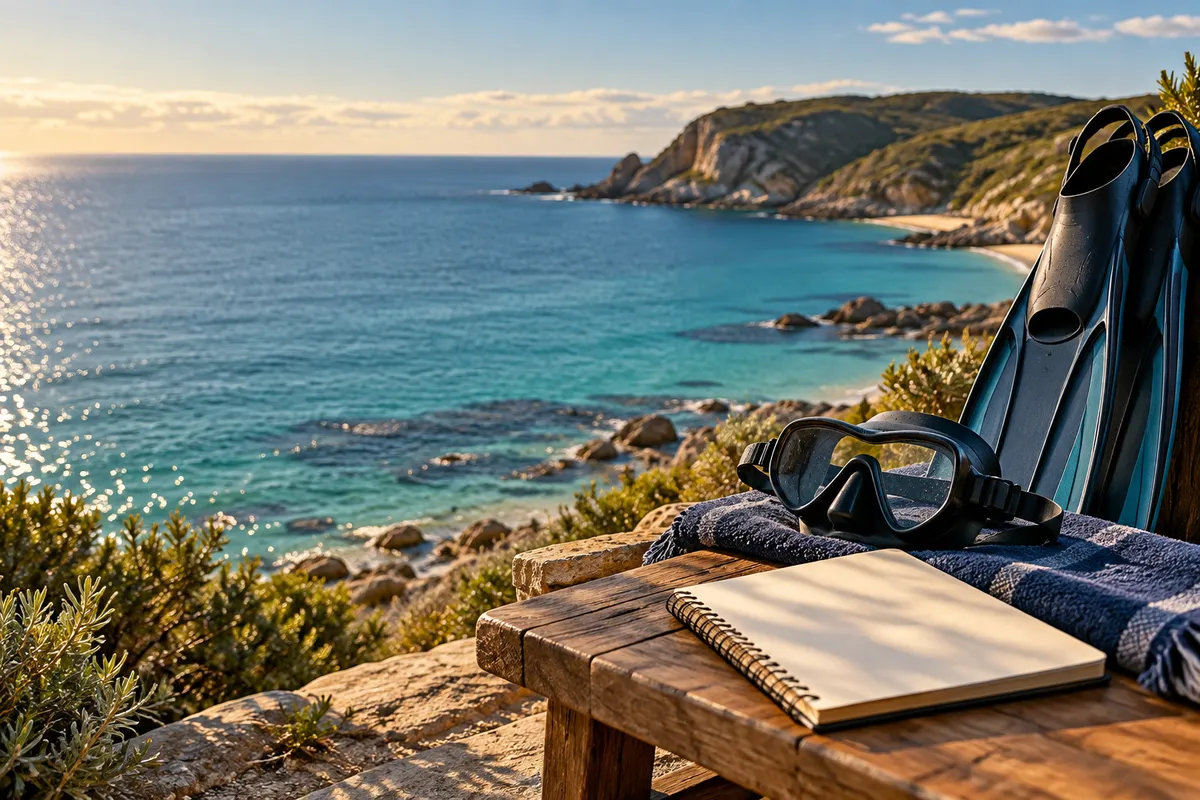
AI-generated editorial illustration; not a photograph of a specific Australian site.
Twelve questions worth exploring
Trip planning
How to compare dive-trip quotes without missing the extras
Ask one final question: “What would someone in our group normally need to pay for that is not on this quote?”
Read the guide →02Destinations
Choosing an Australian dive region: build a realistic shortlist
Keep your shortlist to three regions until the travel and operator questions are answered. More tabs rarely create a clearer decision.
Read the guide →03Learning
A dive log that helps you learn: notes beyond depth and time
Finish each reflection with one question you would actually feel comfortable asking your instructor.
Read the guide →04Photography
Plan an underwater photography trip around the dive
Write a non-photographic aim too: one thing to notice about the habitat even if the camera stays packed.
Read the guide →05Equipment
Rental scuba equipment: make the handover clear
Put “time for fitting and familiarisation” in the booking request, not just in your personal packing list.
Read the guide →06Trip planning
Dive-boat accessibility: questions to ask before booking
Replace “Is it accessible?” with “Can you walk me through getting from the meeting point to my seat on this boat?”
Read the guide →07Equipment
Buying used scuba equipment: build an evidence file first
A missing document is an unanswered question, not a blank you should fill with the seller’s confidence.
Read the guide →08Learning
Build a scuba-course study plan that leaves time for questions
Keep a “not yet clear” list. It is often more useful than highlighting every paragraph.
Read the guide →09Marine life
Marine-life observation notes: make sightings useful
“Unidentified, with good notes” is more honest and often more useful than a confident guess.
Read the guide →10Trip planning
Build a weather backup plan for your diving holiday
Book one activity you would enjoy even if no diving happens that day. A backup should feel like a real choice.
Read the guide →11Equipment
Travelling with scuba equipment: documents, baggage and handovers
Keep a photograph of each packed bag’s contents for your own records, alongside a plain-text inventory you can search.
Read the guide →12Trip planning
Planning a dive holiday with non-diving companions
Give every traveller one day or activity they can point to and say, “That part is for me.”
Read the guide →