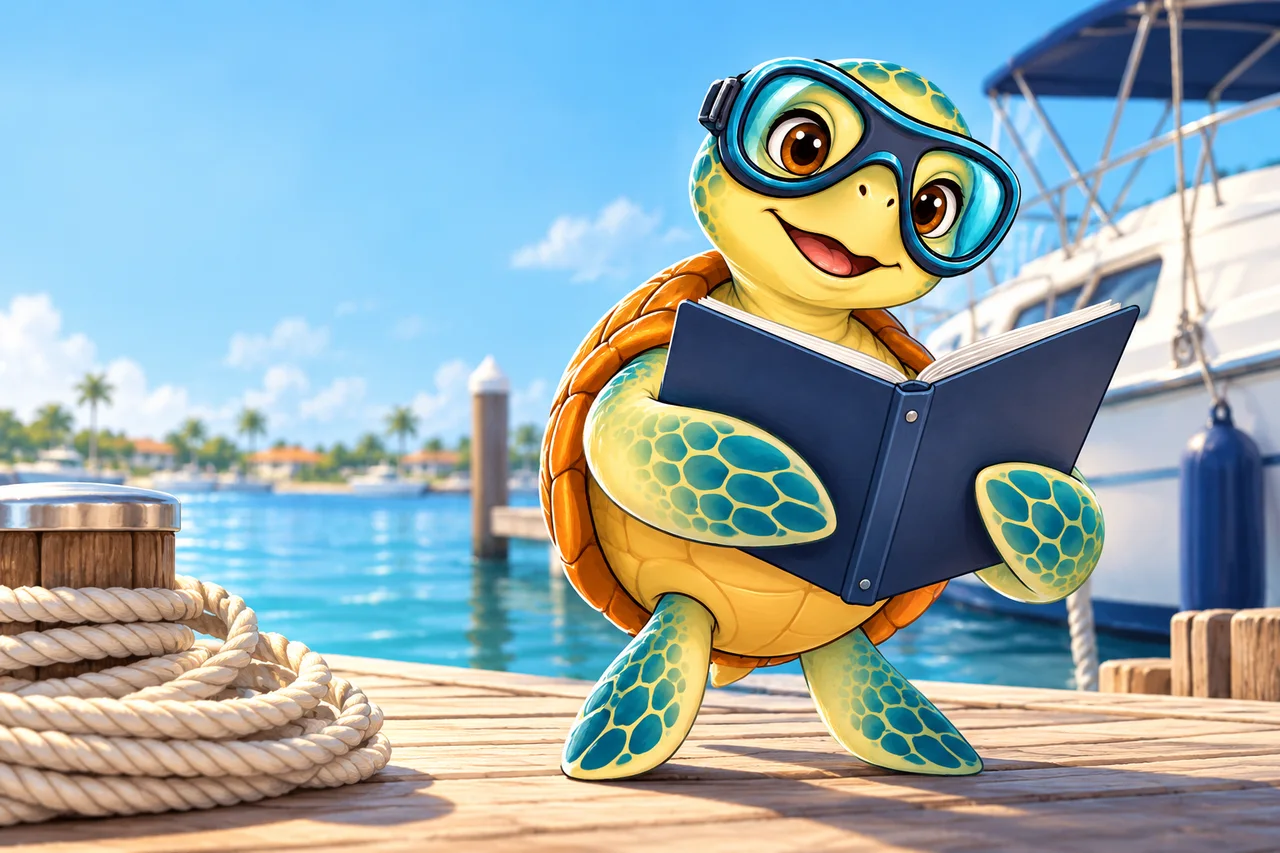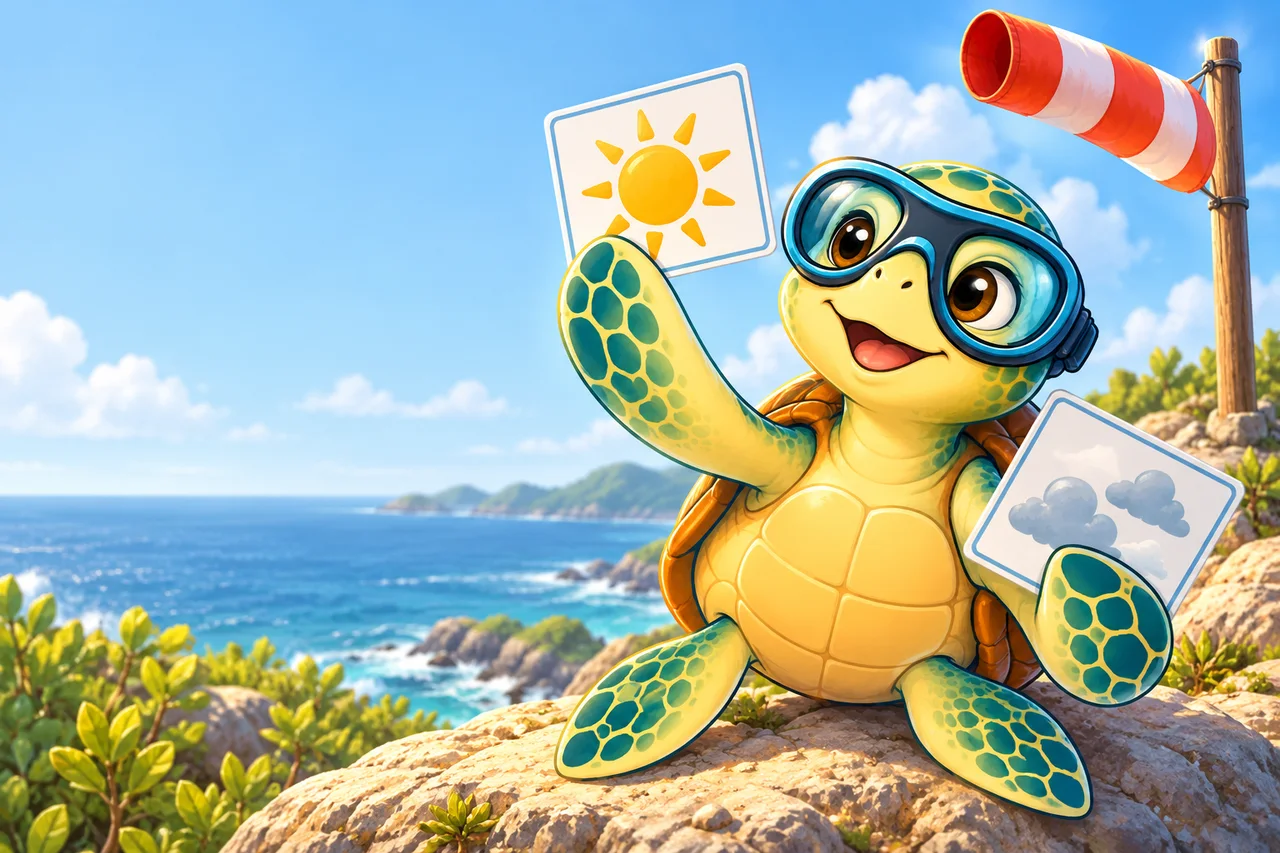
Night diving turns familiar Australian sites into different ecosystems. Cephalopods, crustaceans, hunting fish and fluorescent colour become more visible, while navigation and team awareness demand more discipline.
The best first night dive is usually a site already known in daylight. A famous location is less valuable than a predictable entry, a simple route and a team that shares the same signals and separation plan.
Ask what changes after dark
Navigation
Discuss the site references and the intended route.
Communication
Confirm the meaning of light and buddy signals in the briefing.
Equipment
Identify the lighting and other requirements with the operator.
Return
Clarify the exit or pickup arrangements before entering.
Original YouDive visual discussion guide. Use the article and its sources for context; qualified review is pending.
Strong night-diving environments
Piers, sheltered bays and liveaboard moorings are natural night-dive venues because navigation can be simplified and nocturnal life concentrates around structure.
- Sydney harbour and sheltered shore sites for macro life
- Victorian and South Australian piers for cephalopods and invertebrates
- outer-reef liveaboards for an easy second look at the same mooring
- muck sites where slow observation matters more than distance
What changes after sunset
Depth and gas planning do not change, but perception does. Divers tend to narrow attention to the torch beam, lose track of the group and cover less distance. That makes clear roles and a conservative route important.
- agree on light signals before entering
- carry a primary and backup light
- mark the exit without confusing other water users
- keep instruments readable without dazzling a buddy
- stop and regroup before a small separation becomes a search
Photography without crowding wildlife
A focused beam and repeated strobe can alter animal behaviour. Make one controlled approach, leave the animal an exit and move on if it turns away or shelters.
Choose a first night dive
Start shallow, sheltered and familiar. Avoid combining darkness with a new drysuit, an unfamiliar camera system, a difficult surf entry or a site that depends on precise tidal timing.
Common questions
What animals appear on Australian night dives?
Octopus, squid, cuttlefish, crabs, shrimp, eels and hunting fish are commonly more active or visible. The exact mix depends on tropical, temperate, pier and reef habitat.
Do I need a night-diving certification?
It is not universally required, but supervised training is useful for communication, navigation, light handling and separation procedures.
Where should I do my first night dive?
Choose a sheltered site you have already dived during daylight, ideally with a local guide or experienced buddy.