Meet the site
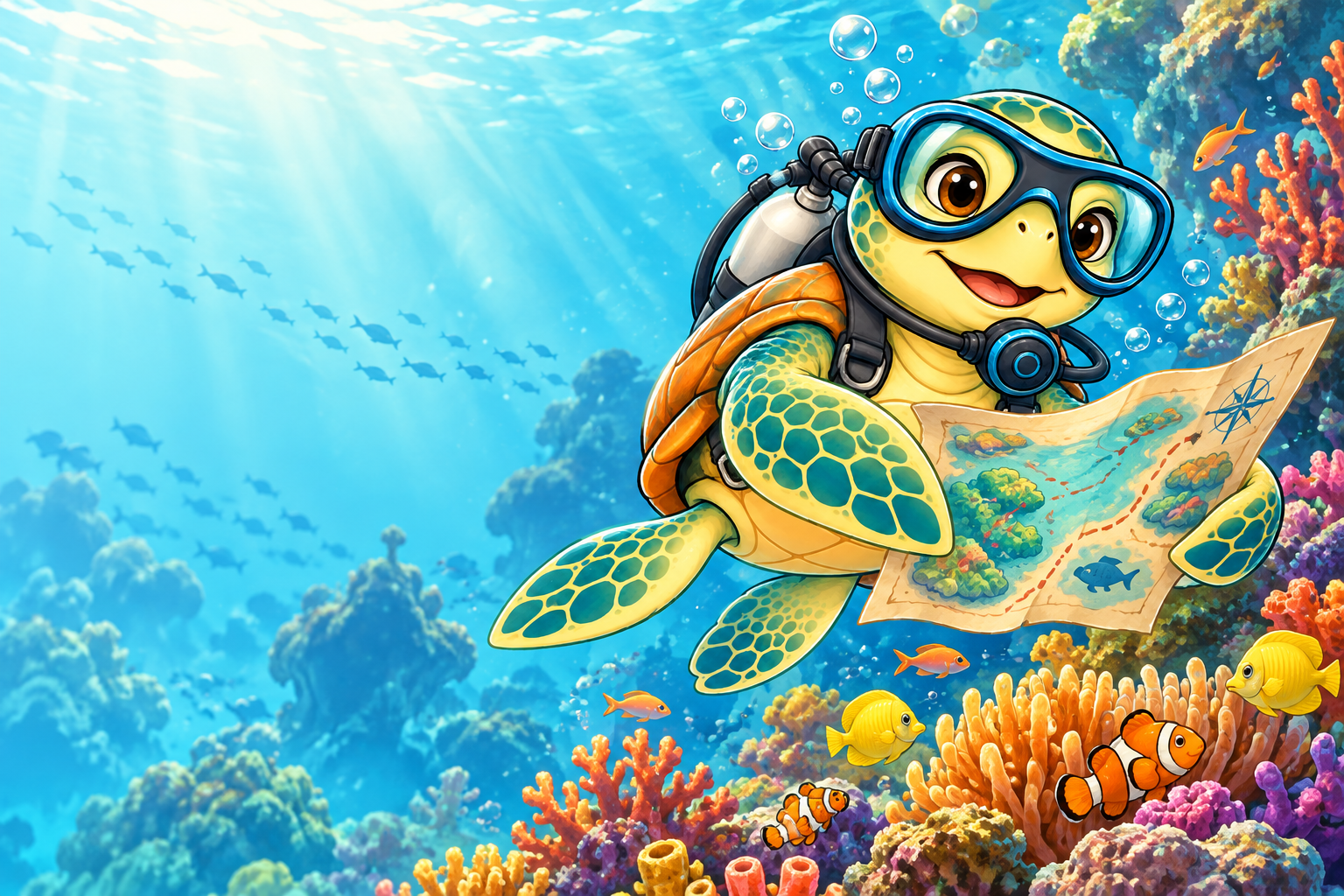
Artefacts Flood is a treasure-hunt drift over the sand of Ticonderoga Bay, the anchorage off the Point Nepean Quarantine Station where immigrant ships lay for a century from the 1850s. The Scuba Doctor listing describes 'a treasure-hunt experience over an area where various artefacts are visible on the seafloor' – items that 'continuously shift position as sand covers and uncovers them, creating an ever-changing underwater landscape' – and notes that most were probably discarded from ships moored at the quarantine station during its operation. Depth is 10–15 m and the dive is run on the flood, which carries the group east through the bay toward Portsea.
What surfaces from the sand is the ordinary rubbish of Victorian shipboard life: bottles of every shape, clay pipes and jugs, plates and cups, iron fittings, cartridge cases – the same material catalogued on the Quarantine Station Reef to the south-west, where White Star and P&O china has been recorded. It is all protected under heritage law and the rule of the dive is to look and photograph and leave everything where it lies. The sand itself is the habitat of the bay's soft-bottom animals: stingrays and fiddler rays, spider crabs in their autumn–winter aggregations, sand octopus, flathead, goatfish, and the short-headed seahorses and pipefish that live in the scattered sponges and weed.
It is an easy, shallow, sheltered dive that operators use as a second dive or for drift instruction, and clubs run it as a photographic scavenger hunt. On a day when the Heads are out and the piers are crowded, it is one of the more interesting sheltered options on the Portsea side, and it pairs naturally with Cattle Jetty Drift and the Quarantine Station Reef.
What you might see
Smooth stingray, southern fiddler ray, spider crabs (winter aggregations), sand octopus, flathead, bluespotted goatfish, short-headed seahorse, pipefish, sponges and weed patches
Location
Sand flats in Ticonderoga Bay between the Quarantine Station and Portsea, 563 m north-east of Quarantine Station Reef and about 1.5 km west of Portsea Pier.
Before you make plans
Conditions, access and operator schedules can change. This is a location guide, not a dive plan. Ask a local operator about current conditions and suitability for your training and experience.
Sources & further reading
scubadoctor.com.auscubadoctor.com.auscubadoctor.com.auRecord updated 26 Sept 2026. Source claims are being reviewed.